The Art of Simplicity: Why One Continuous Line Design of Egg Captivates Modern Creatives
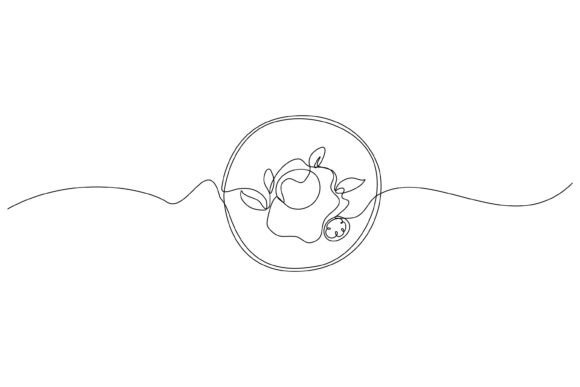
In a digital landscape often cluttered with hyper-realistic textures, complex gradients, and noisy overlays, there is a profound shift occurring toward radical simplicity. At the heart of this movement lies the One Continuous Line Design of Egg, a stylistic approach that captures the essence of form through a single, unbroken stroke. This technique is not merely an aesthetic choice; it represents a broader cultural and professional pivot toward clarity, efficiency, and mindful creation. Whether utilized in branding for a boutique café, as a decorative element in a wellness app, or as part of a culinary illustration featuring a one continuous line design of egg and vegetable dish, this style resonates deeply with contemporary audiences who value authenticity and visual breathing room.
The appeal of the single-line aesthetic stems from its paradoxical nature: it is incredibly simple to perceive yet technically demanding to execute. When a designer draws an egg using one continuous line, they are forced to make deliberate decisions about where the line begins, how it curves to define volume, and where it ends without ever lifting the "pen." This constraint breeds creativity. It strips away the non-essential, leaving only the purest representation of the subject. For professionals ranging from marketers to educators, understanding this trend is crucial because it aligns with modern user expectations for clean, fast-loading, and emotionally resonant visuals.
The Evolution of Minimalism in Digital Workflows
The rise of the single line decorative element drawn on white background is not an isolated event but rather the next logical step in the evolution of minimalism. Over the past decade, we have moved from flat design to material design, and now toward linear art. This progression reflects changing habits in how we consume content. On mobile devices, where screen real estate is premium, intricate details can often become visual noise. A continuous line drawing offers immediate recognition and cognitive ease. The brain processes the uninterrupted flow of the line quickly, allowing the viewer to grasp the concept—be it an egg, a vegetable, or a complex dish—instantly.
Furthermore, this style fits seamlessly into modern workflows that prioritize versatility. In the past, a graphic asset might have been limited to a specific color palette or background. However, the high-contrast nature of black lines on a white background ensures maximum adaptability. This is particularly relevant for entrepreneurs and business owners who need assets that work across diverse mediums, from social media stories to large-format print menus. The One Continuous Line Design of Egg serves as a perfect example of this adaptability. Its lack of shading means it scales infinitely without losing quality, making it ideal for responsive web design and variable branding applications.
Bridging Culinary Art and Graphic Design
One of the most fascinating applications of this trend is in the culinary sector. Food photography has long been dominated by rich colors and depth of field, but there is a growing appetite for illustrative representations that evoke a sense of artisanal craft. Consider the one continuous line design of egg and vegetable dish. Such an illustration does more than depict food; it suggests a narrative of freshness and organic flow. The continuous line mimics the natural growth patterns of vegetables and the smooth curvature of an egg, creating a visual harmony that feels alive.
For bloggers and content creators in the food niche, adopting this style can differentiate their brand in a saturated market. Instead of another stock photo of a breakfast plate, a custom single-line illustration conveys sophistication and a curated aesthetic. It appeals to a demographic that values sustainability and "slow living," as the hand-drawn feel of the line suggests human touch rather than algorithmic generation. This connection between the medium and the message is powerful. When a restaurant uses these designs on their menu or packaging, they subtly communicate values of simplicity, purity, and attention to detail.
Practical Implications for Creators and Businesses
Adopting the continuous line aesthetic offers tangible benefits for various professional groups. For freelancers and graphic designers, mastering this style expands their service offerings. Clients are increasingly requesting vector-based illustrations that can be easily animated or modified. The technical structure of a one-line drawing is inherently animation-friendly; the path can be traced to create a "drawing itself" effect, which is highly engaging for video content and website loaders.
From a technical standpoint, the deliverables for such projects are critical. Professionals typically require files in EPS, SVG, and JPG formats to ensure compatibility across different software and platforms.
- SVG (Scalable Vector Graphics): This is perhaps the most vital format for web use. SVGs allow the single line decorative element to remain crisp on any screen resolution, from a smartwatch to a 4K monitor. They are also code-editable, meaning developers can change the stroke color or width via CSS without needing a designer to reopen the file.
- EPS (Encapsulated PostScript): Essential for print professionals, EPS files preserve the vector data needed for high-quality printing on business cards, brochures, or large signage. This ensures that the One Continuous Line Design of Egg never appears pixelated, regardless of the scale.
- JPG (Joint Photographic Experts Group): While vectors are superior for editing, JPGs remain the standard for quick previews, social media uploads, and situations where vector support is unavailable. Providing a high-resolution JPG ensures immediate usability for non-technical stakeholders.
Having access to these three formats empowers businesses to maintain brand consistency. A marketing team can take the SVG for the website header, the EPS for a trade show banner, and the JPG for an Instagram post, all derived from the same core artistic asset. This efficiency reduces turnaround time and costs, a significant factor for small business owners and startups operating with lean resources.
Meeting User Expectations in a Fast-Paced World
The modern consumer is impatient. Studies on user experience consistently show that visitors decide within seconds whether to engage with a site or scroll past. Visuals play a pivotal role in this decision. Complex images require cognitive effort to decode, whereas a one continuous line design of egg and vegetable dish offers instant clarity. The white background enhances this by providing negative space that allows the eye to rest, reducing visual fatigue.
This preference for clarity extends beyond aesthetics into the realm of trust. In an era of AI-generated imagery that can sometimes feel uncanny or overly polished, the slight imperfections and organic flow of a continuous line drawing feel more authentic. They signal human curation. For educators and trainers, using such illustrations in presentations can help simplify complex concepts, making them more memorable. The continuous line acts as a visual guide, leading the viewer's eye through the information in a controlled manner.
Future-Proofing Your Visual Strategy
As we look toward the future of digital design, the principles behind the One Continuous Line Design of Egg are likely to endure. While specific trends may come and go, the fundamental human appreciation for order, simplicity, and elegance remains constant. Technology continues to advance, with higher resolution screens and faster internet speeds, but the core need for effective communication does not change. If anything, as the volume of digital content increases, the value of distinct, uncluttered imagery will only rise.
Moreover, the versatility of these designs makes them future-proof. As new platforms emerge—whether it's augmented reality interfaces or voice-activated displays—the underlying vector data of a single-line drawing can be adapted more easily than raster-heavy photographs. For instance, in an AR cooking app, a vector outline of ingredients could dynamically highlight as the user progresses through a recipe, offering an interactive layer that static photos cannot provide.
For the curious reader or the seasoned entrepreneur, the takeaway is clear: simplicity is a strategic advantage. Embracing the single line decorative element drawn on white background is not just about following a trend; it is about adopting a mindset of clarity. It challenges us to ask what is truly necessary in our communication and to strip away the rest. Whether you are designing a logo, creating content for a blog, or rebranding a business, the continuous line offers a pathway to sophistication that is both timeless and thoroughly modern.
In conclusion, the integration of styles like the one continuous line design of egg and vegetable dish into your creative toolkit offers a blend of artistic integrity and practical utility. By ensuring you have the right file formats—EPS, SVG, and JPG—you equip yourself to navigate the diverse demands of the current market. As we continue to refine our digital environments, let us remember that often, the most powerful statement is made with a single, confident line.