Unlocking the Nostalgic Charm of Vintage City Tram Watercolor Clipart for Your Creative Projects
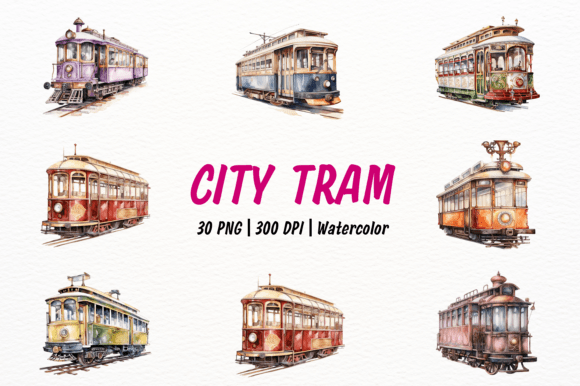
There is a distinct, romantic allure to early 20th-century urban transportation that modern vector graphics often fail to capture. The Vintage City Tram Watercolor Clipart collection taps directly into this aesthetic, offering a set of 30 high-resolution designs that bring the golden age of public transit to life. Whether you are designing a wedding invitation with a city theme, creating digital scrapbooks, or building a brand identity for a coffee shop, these hand-painted elements provide an artistic depth that flat illustrations simply cannot match. However, integrating watercolor assets into professional workflows requires more than just downloading a file; it demands an understanding of resolution, licensing, and application to ensure your final product looks as polished as the original art.
Many creators, from hobbyists to small business owners, rush into using clipart without fully evaluating the technical specifications or the terms of use. This haste can lead to pixelated prints, copyright misunderstandings, or designs that feel disjointed. By taking a moment to understand what makes this specific bundle of retro streetcar vehicles unique, you can avoid common pitfalls and elevate the quality of your work significantly.
Understanding the Value of Hand-Painted Aesthetic in Digital Design
The primary appeal of this Vintage City Tram Watercolor Clipart lies in its texture and color palette. Unlike standard digital drawings, watercolor simulations offer soft edges, organic color bleeding, and a translucent quality that mimics real paint on paper. This bundle features ornate decorative trams in a variety of pastel and vibrant hues—including green, yellow, red, blue, brown, orange, purple, and cream. These colors are not just random; they are curated to evoke a nostalgic, classic feeling.
When users overlook the artistic style, they often try to force these organic images into rigid, geometric layouts where they don't belong. The soft nature of watercolor works best when paired with ample white space, elegant typography, or other textured elements. Trying to sandwich these detailed illustrations between harsh, neon borders or overly complex backgrounds can diminish their historic charm. Instead, let the intricate details of the wheels, windows, doors, bells, and lanterns breathe. The goal is to highlight the craftsmanship of the "New School Wave" original image, allowing the viewer to appreciate the electric-powered carriage details and the route line specifics.
Common Technical Mistakes and How to Avoid Them
One of the most frequent errors creators make involves file format selection and resolution management. This bundle provides both PNG files with transparent backgrounds and JPG files with white backgrounds, all at 300 DPI and 3000 x 3000 pixels. While this sounds straightforward, confusion often arises during the production phase.
- Ignoring the Transparent Background: Beginners often download the JPG version by mistake when working on digital projects like Instagram posts or website headers. The white background in the JPG file can look amateurish if placed over a colored webpage background. Always select the PNG 300DPI Watercolor No background file for digital compositing to ensure seamless integration.
- Underestimating Print Requirements: Conversely, some users attempt to print the low-resolution preview images found on marketplace thumbnails rather than the downloaded source files. This results in blurry, pixelated outputs. Since these files are 300 DPI, they are perfectly suited for high-quality printing on wedding cards, gift cards, menus, and flashcards. Ensure you are uploading the actual 3000 x 3000 PX file to your printer.
- Improper Scaling: While 3000 pixels is large, stretching a watercolor image beyond its intended limits can soften the fine details of the chimney, headlight, and passenger route lines. Watercolor textures rely on specific pixel density to maintain their grain. If you need to cover a massive wall mural, consider using these elements as part of a pattern rather than stretching a single tram illustration to fill the entire space.
Navigating Licensing and Commercial Use Correctly
The terms of use for creative assets are often where well-meaning creators stumble. This specific collection offers generous rights, allowing for all personal and commercial use, including printing, selling, and secondary creation. You are explicitly allowed to sell products or prints featuring the original image and even sell your derivative works. However, there is a critical boundary that must be respected to maintain ethical standards and legal compliance.
Do not sell the original image files themselves. A common misunderstanding is thinking that "commercial use" means you can repackage these 30 PNGs and sell them as a clipart bundle on platforms like Etsy or Creative Fabrica. This is strictly prohibited. The value you add must come from your own creativity—turning the tram illustrations into a finished greeting card, a t-shirt design, or a decorated planner page. By respecting this rule, you support the original artist, New School Wave, and ensure the marketplace remains fair for everyone.
Practical Applications for Entrepreneurs and Educators
For small business owners and marketers, this Vintage City Tram Watercolor Clipart set is a versatile tool for branding. Imagine a local bakery using the cream and brown tram illustrations on their packaging to suggest a "classic" recipe tradition. Or consider a travel blogger using the colorful pastel elements to create engaging social media icons that stand out against the usual flat design trends.
Educators and parents can also find immense value here. The detailed depiction of historic public transit makes these images excellent for flashcards teaching children about transportation history or city life. Because the backgrounds are removed, these elements can be easily dropped into Canva designs, collages, or interactive worksheets without tedious editing. The key is to match the tone of the project with the tone of the art; these trams suggest story, history, and movement, making them perfect for narrative-driven content.
Making the Right Choice for Your Next Project
Before finalizing your design, take a step back and evaluate how the clipart interacts with your other elements. Are the colors harmonious? Does the watercolor texture clash with your fonts? Remember, the strength of this bundle is its ability to convey emotion and nostalgia. When used correctly, these 30 unique designs do more than just fill space; they tell a story of urban evolution and artistic heritage.
By avoiding the traps of low-resolution usage, respecting licensing boundaries, and thoughtfully integrating the artistic style, you ensure that your final output is both professional and captivating. Whether you are crafting a one-of-a-kind baby card or launching a new product line, let the nostalgic charm of these vintage trams guide your creative process toward something truly special.