Unlocking Creativity with Continuous Line Design of Children's Themes
There is something undeniably magnetic about a single, unbroken stroke that captures the essence of a subject. When applied to youthful themes, Continuous Line Design of Children's motifs offers a unique blend of simplicity and emotional depth. This artistic approach strips away unnecessary details, relying on fluidity and rhythm to convey movement, joy, and innocence. Whether you are a graphic designer looking for fresh assets, a parent planning a nursery makeover, or an entrepreneur launching a boutique brand, understanding the versatility of these one-line decorative elements can open up a world of practical applications.
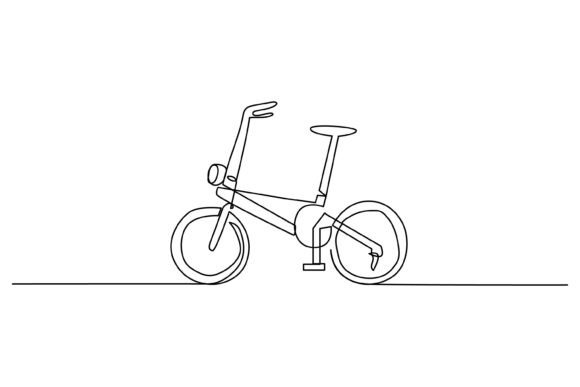
At its core, this style involves drawing a subject—be it a playing child, a whimsical animal, or a continuous line design of children's bicycle—without lifting the pen from the paper or digital canvas. The result is a minimalist yet expressive image that feels both modern and timeless. Because these designs are typically rendered as vector files like EPS and SVG, alongside high-resolution JPG formats, they offer incredible flexibility for real-world use. You aren't just buying a picture; you are acquiring a scalable tool that adapts to everything from a tiny favicon to a massive wall mural.
Real-World Applications Across Industries
The beauty of Continuous Line Design of Children's art lies in its adaptability. It doesn't belong to just one sector; instead, it thrives wherever there is a need to communicate warmth, playfulness, and sophistication simultaneously. Let's explore how different professionals and creators are leveraging this style today.
In the realm of interior design and home decor, these line drawings have become a staple for nurseries and playrooms. Parents aged 20 to 50 often seek aesthetics that grow with their child, avoiding overly cartoonish graphics that might feel juvenile too quickly. A minimalist line drawing of a child riding a tricycle or swinging on a rope adds a touch of whimsy without cluttering the visual space. Because the lines are delicate and usually set against a clean white background, they integrate seamlessly with various color palettes, from soft pastels to bold, modern monochromes. You can easily print these SVG files on canvas, transfer them to wooden signs, or even use them as stencils for DIY wall painting projects.
For branding and packaging, especially in the organic baby product market or artisanal toy sectors, this design style signals quality and thoughtfulness. Imagine a label on a handcrafted wooden toy box or a logo for a sustainable children's clothing line. Using a continuous line design of children's bicycle as a brand mark suggests motion and freedom while maintaining an elegant, high-end feel. Unlike complex illustrations that can look messy when shrunk down for a hangtag or a social media profile picture, continuous line art remains crisp and legible at any size. This is where having access to the original EPS or SVG file becomes crucial, allowing printers and designers to scale the artwork without losing resolution.
Educational and Community Projects
Beyond commerce and decor, these designs serve meaningful roles in educational settings. Teachers and curriculum developers often look for visuals that engage children without overwhelming them. Continuous line drawings can be used in coloring books, where the single path encourages focus and fine motor skill development. Furthermore, community centers and libraries utilize these graphics for event flyers, summer camp brochures, and literacy program materials. The universal language of the line makes the content accessible and inviting, bridging gaps between diverse audiences.
Consider the scenario of a local bike safety campaign. Instead of using generic clip art, organizers could deploy a custom Continuous Line Design of Children's bicycle series to promote helmet usage and safe riding habits. The artistic nature of the image draws attention, while the simplicity ensures the message isn't lost in visual noise. This approach resonates well with modern parents who appreciate design-forward communication over traditional, bureaucratic-looking notices.
Technical Considerations and File Formats
When diving into projects involving these assets, understanding what you actually get in your download package is vital. Most professional bundles include three key formats: EPS, SVG, and JPG. Each serves a distinct purpose in your workflow.
- SVG (Scalable Vector Graphics): This is arguably the most versatile format for web designers and digital creators. It allows the image to be styled directly with CSS, meaning you can change the line color, thickness, or add animations via code. If you are building a website for a daycare or an online store selling kids' gear, SVGs ensure your graphics look sharp on retina displays and mobile devices alike.
- EPS (Encapsulated PostScript): This is the industry standard for print professionals. If you plan to send your designs to a commercial printer for large-format banners, business cards, or product packaging, the EPS file ensures that the curves remain mathematically perfect, regardless of the output size. It is compatible with major design software like Adobe Illustrator and CorelDRAW.
- JPG (Joint Photographic Experts Group): While not scalable, the JPG version provides an immediate, ready-to-use raster image. This is perfect for quick mockups, social media posts, or presentations where you don't need to edit the vector paths. It offers a instant preview of how the one-line decorative elements look on a white background.
One common consideration before applying these designs is the background context. Since these files are often drawn on a white background, transparency handling is key. When using the JPG version, you may need to remove the white background if placing the image on a colored surface. However, with the SVG and EPS files, you can simply delete the background layer or set it to transparent within your design software, giving you total control over how the line interacts with textures, patterns, or photos behind it.
Strengths and Limitations to Keep in Mind
Like any design choice, Continuous Line Design of Children's themes comes with its own set of strengths and potential limitations. On the positive side, the style exudes a sense of calm and clarity. In a world saturated with loud, hyper-colored graphics, the subtlety of a single black line on white stands out by virtue of its restraint. It conveys sophistication and allows the viewer's imagination to fill in the gaps, creating a more engaging experience.
However, there are scenarios where this minimalism might fall short. If your goal is to depict specific, realistic details—such as the exact model of a stroller or the intricate pattern on a child's dress—continuous line art may be too abstract. It captures the essence rather than the literal reality. Additionally, if the line weight is too thin, it might disappear when printed on textured materials like rough kraft paper or fabric unless the file is adjusted accordingly. Always test your chosen line thickness against your final medium.
Another aspect to consider is the emotional tone. While generally perceived as joyful and light, the interpretation can vary based on execution. A jagged, erratic line might convey chaos, whereas a smooth, flowing curve suggests harmony. When selecting a continuous line design of children's bicycle or similar motif, pay attention to the flow of the stroke. Does it feel energetic? Is it gentle? Ensuring the "hand" of the artist matches your brand's voice is essential for cohesive storytelling.
Finding Inspiration and Moving Forward
Integrating these elements into your work doesn't require you to be an artist yourself. The availability of high-quality pre-made assets means you can focus on the application rather than the creation. Whether you are scrapbooking memories of your own children, designing a logo for a new startup, or curating content for a parenting blog, these designs offer a shortcut to professional aesthetics.
The trend toward minimalism shows no sign of slowing down, and the human connection fostered by hand-drawn styles continues to resonate with audiences seeking authenticity. By utilizing Continuous Line Design of Children's illustrations, you tap into a visual language that speaks of growth, movement, and the simple joys of youth. It is a practical solution for those who need impactful visuals without the visual clutter, proving that sometimes, less truly is more.
As you explore the possibilities, remember that the value lies not just in the image itself, but in how you adapt it. Change the colors to match your season, rotate the orientation to fit your layout, or combine multiple line drawings to create a narrative scene. The flexibility of the EPS, SVG, and JPG formats empowers you to experiment freely. Whether it's for a commercial product or a personal keepsake, the continuous line remains a powerful tool for expressing the spirit of childhood in a way that is both elegant and enduring.