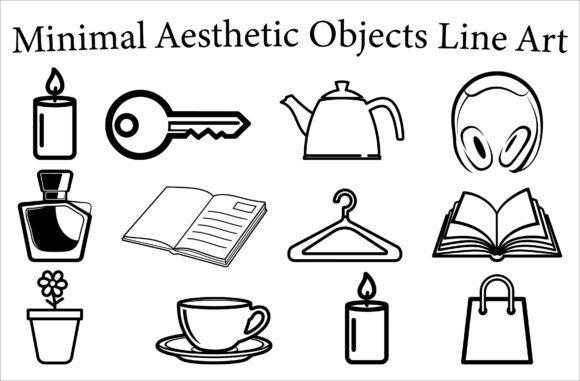
Minimal Aesthetic Objects Line Art: Elevating Design Through Subtle Symbolism
In a digital landscape saturated with hyper-realistic imagery and chaotic color palettes, there is a growing appetite for restraint. Minimal aesthetic objects line art offers a refreshing alternative, stripping away the noise to reveal the essence of form. This approach does not rely on depicting subjects in their entirety. Instead, it uses symbolic, partial, or geometric shapes inspired by nature—specifically animals—to evoke meaning without literal representation. For creators, this shift from depiction to suggestion opens up a world of sophisticated design possibilities that resonate with modern audiences who value clarity and elegance.
The appeal of this style lies in its versatility and emotional resonance. By avoiding full-body animal forms or detailed facial features, these designs bypass specific cultural or emotional baggage often associated with realistic imagery. A single curved line suggesting the arc of a bird’s wing or a geometric abstraction of a feline silhouette allows the viewer to complete the image mentally. This interactive quality makes the artwork more engaging and memorable, whether it appears on a business card, a social media post, or a piece of home décor.
Bridging the Gap Between Abstract and Recognizable
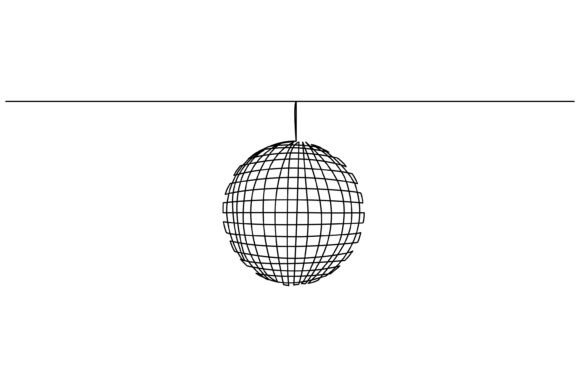
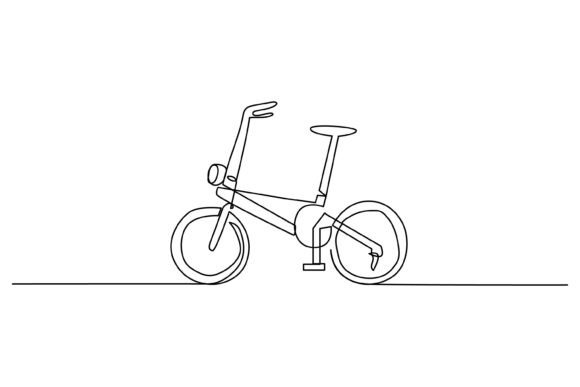
Understanding how to effectively use minimal aesthetic objects line art requires a shift in perspective. Traditional illustration often aims for accuracy, but minimal line art aims for recognition through suggestion. The bold outlines and clean lines serve as visual anchors, guiding the eye without overwhelming it. This balance is crucial for modern branding, where logos and icons need to be legible at various sizes, from a tiny favicon to a large storefront sign.
When you incorporate these black and white vector elements into your projects, you are leveraging the power of negative space. The absence of detail becomes a feature, not a bug. It allows the design to breathe. For instance, a logo for a wellness brand might use a partial, geometric shape inspired by a turtle to symbolize longevity and patience, without showing the animal itself. This subtlety aligns with brands that prefer to whisper rather than shout, creating an aura of exclusivity and thoughtful design.
Practical Applications for Creators and Businesses
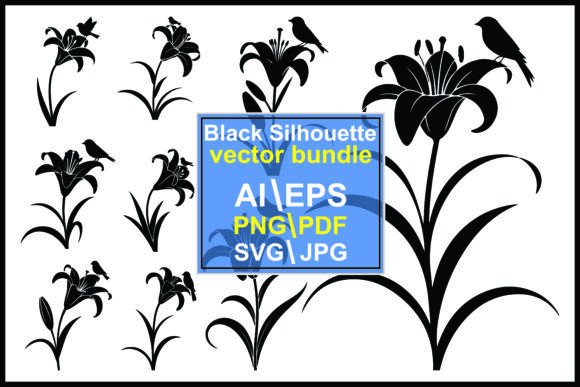
The utility of this bundle extends far beyond simple decoration. Because the files are provided in scalable formats like SVG and EPS, they are incredibly adaptable for both digital and print mediums. Here is how different professionals can integrate these assets into their workflow:
- Brand Identity and Logo Design: Entrepreneurs launching startups in lifestyle, fashion, or tech sectors can use these abstract shapes to create unique brand marks. The clean, bold outlines ensure that the logo remains crisp and professional across all applications, from website headers to embroidered apparel.
- Print-on-Demand Products: Sellers on platforms like Etsy or Redbubble know that trending aesthetics drive sales. Minimalist wall art, stationery, and stickers featuring these symbolic animal-inspired shapes appeal to customers looking for understated home décor. The black-and-white palette ensures these designs match any interior style, increasing their marketability.
- Social Media Content: Marketers and bloggers can use these elements as overlays or focal points in Instagram stories and Pinterest pins. The high contrast of black lines on white backgrounds stands out in crowded feeds, drawing attention to key messages without distracting from the text.
- Packaging Design: Small business owners selling artisanal goods, such as candles, soaps, or organic foods, can use these icons to add a touch of sophistication to their packaging. A simple, geometric line art element on a kraft paper box signals quality and attention to detail.
Why Vector Quality Matters for Long-Term Use
One of the most significant advantages of this collection is the inclusion of vector files (SVG and EPS). For designers, this is non-negotiable. Raster images like JPEGs or PNGs can pixelate when scaled up, ruining the clean lines that define minimal art. Vectors, however, are mathematically defined, meaning they can be resized infinitely without losing quality. This ensures that whether you are printing a massive poster for a gallery exhibition or a small icon for a mobile app, the lines remain sharp and precise.
Furthermore, the ease of editing these files in major software programs allows for customization. You might want to adjust the stroke weight to better suit a specific medium or combine multiple elements to create a composite image. This flexibility empowers users to make the assets their own, ensuring that the final product feels bespoke rather than generic.
Considerations Before Choosing Your Design Elements
While the benefits of minimal aesthetic objects line art are clear, successful implementation requires thoughtful consideration. Not every project benefits from minimalism. If your goal is to convey complex narrative details or evoke strong, immediate emotional reactions through facial expressions, this style may not be the best fit. It is ideal for projects where mood, atmosphere, and brand identity take precedence over literal storytelling.
Additionally, consider your audience. This aesthetic appeals strongly to demographics that value modernity, sustainability, and mindfulness. It resonates with millennials and Gen Z consumers who often prefer brands that align with these values. However, if your target market prefers traditional, ornate, or highly colorful designs, you may need to adapt how you present these elements, perhaps by introducing color accents or pairing them with more classical typography.
It is also essential to think about context. In digital spaces, minimal line art works beautifully against clean, white, or neutral backgrounds. Cluttered backgrounds can obscure the delicate lines, reducing their impact. When using these elements for print, ensure that the printing method supports fine lines. High-quality digital printing or screen printing is recommended to maintain the integrity of the bold outlines.
Enhancing Creativity Through Constraint
Paradoxically, limiting your visual toolkit can enhance creativity. By working with a set of predefined, abstract shapes, you are forced to think differently about composition and balance. You cannot rely on the inherent charm of a cute animal face; instead, you must arrange lines and shapes to create harmony. This constraint often leads to more innovative and distinctive designs.
For educators and students, this bundle serves as an excellent tool for teaching design principles. It simplifies complex concepts like balance, symmetry, and negative space, allowing learners to focus on the fundamentals of composition without getting bogged down in rendering details. Similarly, hobbyists and crafters can use these templates as a starting point for DIY projects, such as laser cutting, vinyl decals, or embroidery patterns, where clean lines are essential for technical execution.
Ultimately, the Minimal Aesthetic Objects Line Art Bundle is more than just a collection of graphics; it is a resource for refining your visual language. It offers a pathway to creating designs that are not only visually appealing but also meaningful and versatile. By embracing the power of suggestion and the elegance of simplicity, you can bring a unique artistic touch to your projects that stands the test of time. Whether you are building a brand, decorating a home, or creating content for social media, these symbolic elements provide the perfect foundation for modern, aesthetic expression.