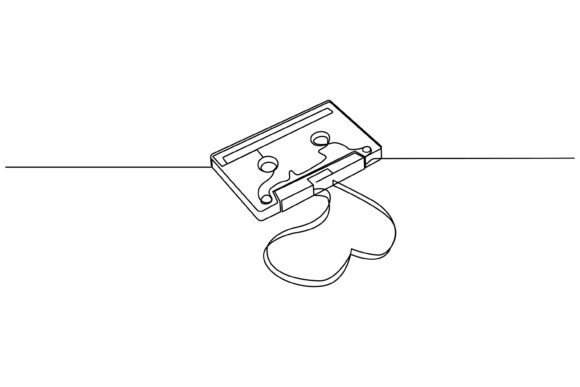
Reviving Analog Nostalgia: The Power of Continuous Line Tape Cassette Designs
In an era dominated by streaming algorithms and cloud storage, there is a palpable longing for the tangible. We miss the ritual of pressing play, the mechanical whir of gears, and the distinct aesthetic of the physical medium. This sentiment has sparked a renaissance in retro design, specifically centering on the iconic Retro Tape Cassette One Continuous line art style. These designs are not merely nostalgic nods; they are versatile visual assets that bridge the gap between vintage charm and modern minimalism.
The concept of a "one continuous line" drawing is deceptively simple yet profoundly effective. It involves creating an entire image—from the rectangular shell of the cassette to the intricate details of the spools and label—using a single, unbroken stroke. When applied to the silhouette of a mixtape, the result is a fluid, elegant representation that captures the essence of the object without the clutter of heavy shading or complex textures. Set against a clean white background, these decorative elements pop with clarity, making them ideal for a vast array of creative applications.
The Aesthetic Appeal of Unbroken Lines
Why does the Retro tape cassette one continuous line design resonate so deeply with contemporary audiences? The answer lies in the harmony between complexity and simplicity. A cassette tape is a mechanically complex device, filled with tiny screws, windows, and moving parts. Reducing this machinery to a single flowing line requires a masterful understanding of form and negative space. The artist must decide what details are essential and which can be implied, resulting in an image that feels both complete and open to interpretation.
This style aligns perfectly with current design trends that favor minimalism and monoline illustrations. Unlike pixelated 8-bit art or gritty grunge textures that also evoke the 80s and 90s, the continuous line approach feels fresh and sophisticated. It strips away the noise, leaving only the soul of the object. When you place these graphics on a white background, the contrast creates a crisp, professional look that works equally well on a dark t-shirt or a light-colored website header.
Furthermore, the continuous line suggests movement and connectivity. Just as the magnetic tape inside the cassette runs continuously from one spool to another to create music, the line drawing mimics this flow. It creates a visual rhythm that guides the viewer's eye around the composition, making the static image feel dynamic and alive.
Versatility Across Industries and Projects
The true value of owning high-quality files like EPS, SVG, and JPG versions of these designs is their adaptability. Whether you are a graphic designer, a small business owner, or a hobbyist crafter, the Retro Tape Cassette One Continuous motif can be integrated into numerous workflows.
Consider the fashion and apparel industry. T-shirt designers are constantly seeking graphics that stand out without overwhelming the fabric. A single-line cassette design printed in black ink on a white tee offers a timeless streetwear look. Because the lines are clean and vector-based (in SVG and EPS formats), the print remains sharp regardless of the size, from a small pocket logo to a full-back graphic.
In the realm of branding and packaging, coffee shops, record stores, and boutique hotels often leverage retro aesthetics to build a cozy, authentic atmosphere. Imagine a coffee cup sleeve featuring a continuous line tape cassette with the shop's name woven into the label area. Or perhaps a vinyl record store using these motifs on their shopping bags to emphasize their dedication to physical media. The white background of the original design ensures easy isolation, allowing you to drop the graphic onto any colored material seamlessly.
Digital creators also benefit immensely. Web designers can use the SVG format to embed lightweight, scalable icons directly into code. Unlike raster images that can become pixelated on high-resolution screens, SVGs maintain perfect clarity on everything from mobile phones to 4K monitors. This makes the Retro tape cassette one continuous line design an excellent choice for favicons, section dividers, or hero images on music blogs and portfolio sites.
Understanding the File Formats: EPS, SVG, and JPG
When acquiring these decorative elements, understanding the difference between the provided file types is crucial for maximizing their potential. Each format serves a specific purpose in your creative toolkit.
- EPS (Encapsulated PostScript): This is the gold standard for professional printing. If you plan to send your design to a commercial printer for large-scale production—such as billboards, vehicle wraps, or high-end merchandise—the EPS file is essential. It preserves all the vector data, ensuring that the continuous line remains smooth and crisp at any scale. Most professional design software, including Adobe Illustrator and CorelDRAW, handles EPS files natively.
- SVG (Scalable Vector Graphics): Designed for the web, the SVG format is incredibly powerful for digital projects. It allows developers and designers to manipulate the line color, stroke width, and even animate the drawing using CSS or JavaScript. For instance, you could create an animation where the line appears to draw itself across the screen, mimicking the loading of a tape. This interactivity adds a layer of engagement that static images cannot match.
- JPG (Joint Photographic Experts Group): While vectors are superior for editing, the JPG format offers immediate usability. Rendered on a white background, these files are ready to drag and drop into documents, social media posts, or presentation slides. They are universally compatible, requiring no special software to view or use, making them perfect for quick mockups or non-designers who need a polished visual element instantly.
Practical Considerations for Implementation
Before integrating a Retro Tape Cassette One Continuous design into your project, consider the context in which it will live. While the white background provides a clean canvas, you may need to remove it depending on your application. With vector files (EPS and SVG), this is trivial; the background is often transparent or easily deleted. However, if you are working strictly with the JPG version, you might need to use a tool to isolate the black line art if placing it on a non-white surface.
Another factor is line weight. In a continuous line design, the thickness of the stroke defines the character of the image. A thicker line feels bold, industrial, and impactful, suitable for headlines or large signage. A thinner line feels delicate, technical, and refined, working better for intricate patterns or subtle watermarks. Since you have access to vector formats, you have the freedom to adjust this stroke width to perfectly match your brand's voice without losing quality.
It is also worth noting the emotional connection these images foster. Using a tape cassette isn't just about showing an old object; it's about evoking memories of mixtapes made for friends, the anticipation of recording songs off the radio, and the tactile joy of flipping a cassette over. When used in marketing or storytelling, the Retro tape cassette one continuous line design acts as a visual shorthand for authenticity, creativity, and human connection in a digital world.
Creative Scenarios and Inspiration
To fully appreciate the utility of these assets, let's explore a few specific scenarios where they shine:
- Music Festival Merchandise: A local indie music festival could use the continuous line cassette as a central motif for their poster series. By varying the color of the single line while keeping the white background, they can create a cohesive yet diverse set of posters for different stages or days.
- Educational Materials: A history teacher creating a presentation on the evolution of music technology could use these clean illustrations to represent the cassette era without distracting students with overly busy clipart. The simplicity keeps the focus on the information.
- Wedding Invitations: For couples who met through a shared love of music or want a "mixtape" theme for their wedding, these designs offer a romantic, understated elegance. Printed on textured cardstock, the single black line looks sophisticated and personal.
- Tattoo Flash Art: Tattoo artists often look for clean line work that ages well on skin. The one-continuous-line style is perfect for this, as it avoids heavy shading that can blur over time. A cassette tape design symbolizes a client's love for music in a stylish, minimalist way.
The beauty of the Retro tape cassette one continuous line design is its ability to be both specific and universal. It clearly identifies an object from a specific era, yet the artistic treatment makes it timeless. Whether you are designing a logo for a new podcast, creating wall art for a studio apartment, or developing a branding package for a vintage clothing store, these decorative elements provide a strong foundation.
Ultimately, the choice to use retro imagery is a choice to value history and craftsmanship. By selecting high-quality vector files like EPS and SVG, you ensure that this appreciation for the past is rendered with the precision of modern technology. The result is a design asset that honors the legacy of the cassette tape while fitting seamlessly into the cutting-edge workflows of today's creative industries.