Continuous Line Hand Holding: Art & Uses
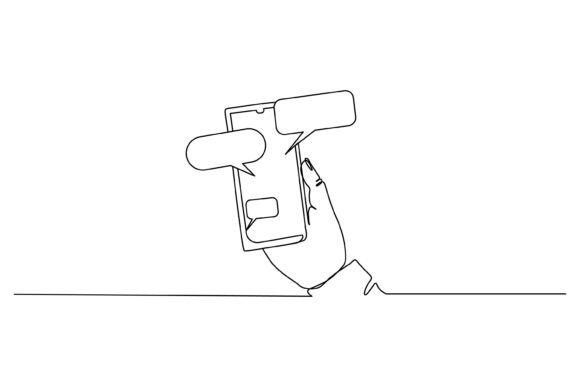
In a digital landscape often cluttered with complex gradients, heavy textures, and noisy visuals, there is a profound power in simplicity. The continuous line design of hand holding represents this shift toward minimalism without sacrificing emotional depth. This artistic technique involves drawing an entire image—often a pair of hands clasped, reaching, or offering support—using a single, unbroken stroke. There are no lifts of the pen, no overlapping corrections, just one fluid path that defines form and connection simultaneously.
What makes this style so compelling for creators today is its dual nature: it is technically restrictive yet emotionally expansive. The constraint of the single line forces the artist to distill the subject down to its absolute essence. For the viewer, this results in an image that feels immediate, honest, and universally understandable. Whether used in a logo for a counseling service, a graphic for a wedding invitation, or a social media post about community support, these designs communicate trust and unity instantly.
The Aesthetic and Emotional Impact
The beauty of continuous line design of hand holding lies in its flow. Because the line never breaks, it creates a visual rhythm that guides the eye naturally across the composition. This uninterrupted movement mimics the concept of connection itself—an unbroken bond between two entities. When applied to the human hand, a subject rich in expressive potential, the style captures gesture and intent rather than hyper-realistic detail.
Consider the variations within this niche. A design might depict two hands interlocking fingers, symbolizing partnership or marriage. Another might show a larger hand cupping a smaller one, representing mentorship, parenting, or care. A particularly popular variation is the continuous line design of hand holding a gift box. Here, the line weaves through the contours of the fingers and the edges of the box, suggesting the act of giving without needing to render shadows or highlights. These images work because they rely on the viewer's brain to fill in the gaps, creating a more engaging cognitive experience than a fully rendered photograph might.
For designers and marketers, this aesthetic offers a clean, modern look that scales exceptionally well. Unlike detailed illustrations that can become muddy when shrunk down for a mobile screen or a favicon, single-line art retains its clarity at any size. The high contrast of black lines on a white background ensures maximum legibility, making it an ideal choice for versatile branding assets.
Practical Applications Across Industries
The utility of these vector-based designs extends far beyond simple decoration. Because they are often available in formats like EPS and SVG, they are infinitely scalable and editable. This technical flexibility opens doors for various professional applications:
- Branding and Logos: Non-profits focused on humanitarian aid, mental health organizations, and community groups can use hand-holding motifs to visually reinforce their mission of support and solidarity. The simplicity ensures the logo remains memorable and prints clearly on everything from business cards to large banners.
- Packaging Design: The specific motif of a hand holding a gift box is perfect for boutique retailers, subscription boxes, or holiday packaging. It adds a personal, artisanal touch that suggests the product inside was chosen with care. When printed on kraft paper or minimalist white boxes, the single black line creates a sophisticated, eco-friendly vibe.
- Digital Content: Bloggers and social media managers can use these graphics as section dividers, watermarks, or featured images. Their neutral style complements almost any color palette or typography, allowing them to enhance a layout without dominating it.
- Merchandise and Print-on-Demand: Entrepreneurs selling t-shirts, tote bags, or mugs will find that continuous line art translates beautifully to fabric and ceramic. The lack of complex shading means lower printing costs and a trendy, contemporary aesthetic that appeals to younger demographics.
Adapting the Style for Different Goals
While the core concept remains the same, the execution can be tweaked to suit different audiences and tones. For a corporate audience, the lines might be geometric and precise, using straight edges to convey stability and professionalism. In contrast, a design aimed at a creative or lifestyle audience might feature looser, more organic curves that feel hand-drawn and whimsical.
When integrating a continuous line design of hand holding a gift box into a project, consider the context of the "gift." Is it a physical product? A service? Or perhaps the gift of time and knowledge? The visual can be paired with copy that reinforces this interpretation. For educators, the "gift" could be knowledge, with the hand representing the teacher guiding the student. For freelancers, it might represent the delivery of a completed project to a client.
Consistency is key when using these elements in a larger brand identity. If you choose a specific line weight or curvature style for your primary logo, ensure that any supplementary graphics—like icons or pattern elements—match that same visual language. Most professional file packages include JPG versions for quick use, but relying on the SVG or EPS files allows you to adjust the stroke width to match your specific layout requirements perfectly.
Maintaining Clarity and Originality
As this style grows in popularity, avoiding generic clichés becomes important. To keep your use of continuous line art fresh, focus on unique compositions. Instead of the standard side-profile handshake, explore overhead views, intertwined fingers, or abstract interpretations where the hand merges with other symbolic elements like leaves, hearts, or geometric shapes.
Furthermore, pay attention to negative space. In single-line drawings, the space between the lines is just as important as the line itself. Effective use of white space prevents the design from looking tangled or confusing. When selecting or creating these assets, look for designs where the flow is logical and the anatomy, while stylized, remains recognizable.
Ultimately, the continuous line design of hand holding is more than just a trend; it is a versatile tool for visual storytelling. It bridges the gap between artistic expression and commercial functionality. By choosing high-quality, scalable vectors and applying them with intentionality, creators can produce work that feels both timeless and timely. Whether you are designing a heartfelt invitation or a robust corporate identity, let the simplicity of the line do the heavy lifting, conveying complex emotions with a single, confident stroke.