Mussel Seashell Doodles: Ocean Art & Uses
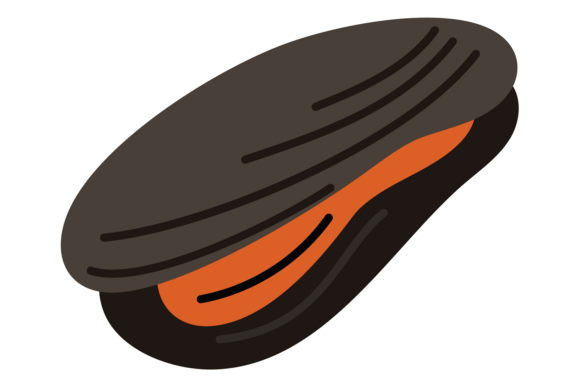
The ocean is a vast source of inspiration, offering textures, colors, and forms that captivate artists and consumers alike. Among these natural wonders, the mussel seashell stands out as a versatile subject. Whether you are looking at a high-quality vector cartoon flat isolated illustration available in EPS or JPG formats, or holding a real tropical exotic clam in your hand, the appeal is universal. This specific underwater element doodle drawing bridges the gap between biological reality and creative interpretation, serving different needs for everyone from graphic designers to home cooks.
At its core, a mussel seashell underwater element doodle is a stylized representation of marine life. Unlike hyper-realistic photography, a doodle or cartoon flat illustration simplifies the complex ridges and iridescent hues of a decorative oceanic mollusk shell into clean lines and bold colors. This simplification is intentional. It makes the image adaptable for various media, ensuring it looks crisp on a mobile screen or a large billboard. For creators, this means having an asset that is ready to deploy without needing extensive editing.
Why Creators and Marketers Value Vector Assets
For graphic designers, illustrators, and marketers, the format of an image is often just as important as the subject matter. A vector cartoon flat isolated illustration offers distinct advantages over raster images. Because vectors are mathematically defined, they can be scaled infinitely without losing quality. This is crucial for branding projects where a logo featuring a mussel seashell might appear on a business card one day and a storefront sign the next.
Entrepreneurs and small business owners in the hospitality or tourism sectors often seek these assets to build a cohesive visual identity. Imagine a seaside café creating a menu. Using a consistent set of underwater element doodles, including mussels, starfish, and seaweed, creates a thematic experience that feels professional yet approachable. The "flat" design style is particularly popular because it loads quickly on websites and remains legible on small smartphone screens, addressing the priority of speed and user experience.
Furthermore, the availability of files in both EPS and JPG formats caters to different technical workflows. A professional designer might prefer the EPS file to tweak colors or separate layers in Adobe Illustrator, while a blogger or social media manager might simply need the JPG for an immediate Instagram post. This flexibility ensures that the asset provides long-term usefulness regardless of the user's technical skill level.
The Culinary Perspective: From Shell to Plate
While artists focus on the aesthetic representation, chefs and food enthusiasts view the mussel seashell through a completely different lens: as a premier seafood cooking ingredient. The journey from a tropical exotic clam in the ocean to a gourmet dish involves understanding the biology and handling of the creature. For the home cook or culinary student, the shell itself acts as an indicator of freshness and quality.
When evaluating mussels for cooking, priorities shift from visual style to reliability and safety. A closed shell indicates a live mussel, while an open one that does not close when tapped should be discarded. This practical knowledge is vital for beginners who want to avoid foodborne illness. Once cooked, the shells open, revealing the tender meat inside. In many cultures, the shell is not just waste; it is part of the presentation. Serving mussels in their own shells adds a rustic, authentic touch to the dining experience, connecting the diner directly to the oceanic origin of the meal.
Food bloggers and publishers often use high-quality images of these dishes to entice readers. Here, the intersection of art and cuisine becomes clear. A photographer might style a pot of steamed mussels with lemon wedges and herbs, capturing the steam rising against the dark, glossy shells. Alternatively, they might use a playful vector illustration of a mussel to break up text in a recipe article, making the content more engaging and easier to digest for readers scanning for ingredients.
Educational and Hobbyist Applications
Educators and parents find unique value in the concept of the mussel seashell across both scientific and artistic domains. In a classroom setting, a detailed diagram of a decorative oceanic mollusk shell helps students understand anatomy, ecosystems, and marine biology. However, for younger audiences, a simplified underwater element doodle drawing can make the learning process less intimidating and more fun.
Hobbyists, such as scrapbookers or crafters, often collect physical shells or digital stamps featuring them. The tactile nature of a real shell appeals to those who enjoy beachcombing and natural history collections. Conversely, digital crafters who use cutting machines for paper crafts or vinyl decals rely on clean SVG or EPS files of mussel shapes. For this group, the priority is ease of use and cuttability. A complex, noisy image might jam a cutting machine, whereas a flat cartoon illustration cuts cleanly and efficiently.
This duality allows educators to create interdisciplinary lessons. A teacher could start with a lesson on the life cycle of a mollusk, move to a discussion about sustainable seafood harvesting, and finish with an art project where students create their own underwater element doodles. This approach caters to different learning styles, blending science, ethics, and creativity.
Choosing the Right Format for Your Goals
Deciding whether to engage with the physical ingredient or the digital illustration depends entirely on your current project goals. If you are launching a brand, investing in a premium vector pack ensures consistency and scalability. The cost is justified by the time saved in drafting custom graphics and the professional polish it adds to your marketing materials.
If you are a consumer looking to improve your diet, understanding the nutritional value and preparation methods of mussels is the priority. Mussels are rich in protein, omega-3 fatty acids, and vitamins, making them a healthy choice. Here, the "quality" refers to the freshness of the seafood and the sustainability of the fishery it came from, rather than the resolution of an image.
For freelancers and content creators, versatility is key. Having access to a library of assets that includes both realistic photos and stylized doodles allows for a dynamic content strategy. You might use a realistic photo for a serious article about marine conservation but switch to a cheerful cartoon mussel for a lighter post about summer recipes. This ability to toggle tones helps maintain audience engagement without sacrificing relevance.
- Designers: Prioritize EPS files for scalability and layer editing.
- Chefs: Focus on shell integrity and freshness indicators.
- Educators: Balance scientific accuracy with engaging visuals.
- Marketers: Seek assets that load fast and convey brand personality.
- Hobbyists: Look for ease of integration into crafts or collections.
Ultimately, the mussel seashell serves as a multifaceted symbol of the ocean's bounty. Whether it is rendered as a sleek, isolated vector for a tech startup's website or steamed in a pot of white wine for a family dinner, its value is defined by how well it meets the user's specific needs. By understanding the different contexts in which this underwater element appears, you can better select the right tools, ingredients, or designs to bring your own projects to life. The ocean offers endless possibilities, and the humble mussel is a perfect starting point for exploring them.