Mastering the Damask Floral Ornaments Collection: A Guide to Elegant Design
In the world of digital design, few elements convey sophistication and timeless elegance quite like damask patterns. Whether you are a seasoned graphic designer, a small business owner creating branding materials, or a hobbyist working on a personal project, the Damask Floral Ornaments Collection offers a versatile toolkit for enhancing visual appeal. However, possessing high-quality assets is only half the battle. Many creators stumble not because they lack talent, but because they misunderstand how to effectively integrate these intricate designs into their workflows. By understanding the nuances of filigree, scrollwork, and vector scalability, you can avoid common pitfalls that compromise quality and efficiency.
Understanding the Versatility of Ornamental Filigree
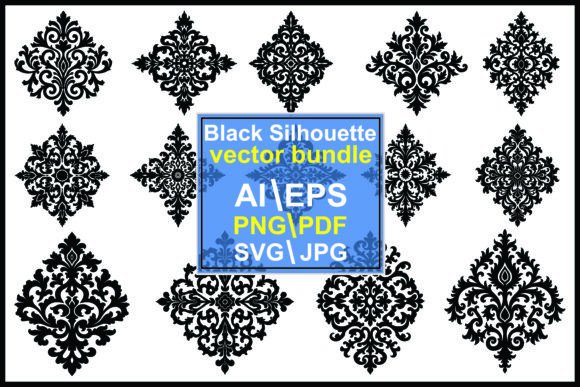
The collection in question is not merely a set of static images; it is a comprehensive library of black ornamental filigree designs set against a white background. This high-contrast aesthetic is intentional, designed for maximum flexibility. The inclusion of various motifs—ranging from classic baroque flourishes to symmetrical mandala-like structures and even yin yang symbols—means this bundle serves multiple design languages. Yet, a frequent mistake users make is treating these elements as rigid, unchangeable blocks.
Many beginners assume that because a design looks "vintage" or "antique," it must be used in traditional contexts. This limitation stifles creativity. In reality, these decorative elements are modern graphic tools. They can be inverted, recolored, cropped, and layered to create contemporary minimalist layouts or bold, edgy streetwear graphics. Failing to experiment with these transformations results in generic outputs that fail to stand out in a saturated market. To truly leverage the intricate nature of these assets, you must view them as raw material for innovation rather than finished products.
The Critical Importance of File Formats
One of the most significant overlooked details when downloading design bundles is the file format. This specific bundle includes five distinct types of formats: JPG, PNG, AI, EPS, SVG, and PDF, all compressed into a single ZIP file. A common error among novices is ignoring the vector files (AI, EPS, SVG) in favor of raster images (JPG, PNG). While JPEGs and PNGs are easy to view and use quickly, they are resolution-dependent. If you scale a JPEG up for a large print banner, it will pixelate, losing the crisp edges that define elegant scrollwork.
Conversely, vector files allow for infinite scalability without loss of quality. This is crucial for professional applications such as logo design, large-format printing, or laser cutting stencils. By bypassing the AI or SVG files, you limit the usability of your purchase. Always extract the ZIP file using reliable software like WinZip or WinRAR, or simply double-click to extract if your operating system allows. Once extracted, prioritize the vector formats for any project where size flexibility is required. Reserve the PNG files for web use where transparency is needed, and JPGs for quick mockups or low-stakes digital content.
Avoiding Visual Clutter and Poor Composition
Damask and baroque designs are inherently detailed. They feature dense scrollwork, floral embellishments, and complex borders. A prevalent mistake is overusing these elements within a single composition. When designers place multiple intricate flourishes near each other without adequate negative space, the result is visual noise. This clutter distracts the viewer and dilutes the message you are trying to communicate.
To maintain an elegant and classic aesthetic, practice restraint. Use a single corner embellishment to frame a quote, or employ a subtle border to define a section of a webpage. Let the intricacy of the design breathe. If you are using these patterns as backgrounds, reduce their opacity significantly so they do not compete with foreground text. Remember, the goal of ornamental design is to enhance, not overwhelm. A balanced approach ensures that the symmetrical beauty of the damask pattern complements your content rather than obscuring it.
Licensing and Usage Rights: What You Need to Know
Before integrating any asset into your commercial projects, it is vital to understand the licensing terms. This bundle explicitly states that you can use these designs for any purpose. This freedom is a significant advantage for entrepreneurs and freelancers who need to create client work, marketing materials, or products for sale. However, a common misunderstanding arises regarding "any purpose." While you can use the designs in your creations, you typically cannot resell the raw files themselves as your own product.
For instance, you can print these patterns on t-shirts, invite cards, or packaging. You can use them in digital ads or blog headers. But repackaging the ZIP file and selling it as a new clipart bundle would violate standard ethical and legal norms in the design community. Always clarify the specific license if you are unsure, but rest assured that for standard creative and commercial applications, this collection provides the flexibility needed for diverse projects. Ensuring you are compliant protects your business reputation and avoids potential legal complications down the line.
Technical Tips for Seamless Integration
Working with vector files requires a basic understanding of design software. If you are using Adobe Illustrator, CorelDRAW, or Inkscape, opening the AI, EPS, or SVG files will allow you to edit individual paths. You might want to change the color from black to gold, silver, or brand-specific hues. A mistake many make is attempting to edit these complex vectors in raster-based programs like Photoshop without converting them properly. This can lead to jagged edges and loss of editability.
Instead, import the vector files directly into your design software. If you are using a stencil or cutout approach for physical crafts, ensure that the paths are closed and continuous. The cutout nature of these designs makes them ideal for laser cutting or vinyl plotting, but only if the digital file is clean. Check for stray anchor points or overlapping lines that could confuse cutting machines. Taking the time to prepare your files correctly ensures that the final physical product matches the precision of the digital original.
Making the Right Choice for Your Project
When evaluating whether this collection fits your needs, consider the scope of your upcoming projects. Do you need versatile borders? Are you looking for standalone flourishes to accentuate headings? Or do you require full-page damask patterns? This bundle covers all these bases. By having access to multiple formats and a wide variety of motifs—from snowflake-like geometric patterns to organic floral shapes—you reduce the time spent searching for individual assets across different platforms.
Efficiency is key in professional design. Having a reliable, high-quality resource library allows you to focus on creativity rather than procurement. Before downloading, check your software compatibility. Ensure you have a program that can handle SVG or AI files if you plan to do serious editing. If you are strictly a casual user, the PNG and JPG files may suffice, but you will miss out on the true potential of the bundle. Invest the time to learn basic vector manipulation, and you will unlock a higher tier of design capability.
In conclusion, the Damask Floral Ornaments Collection is a powerful resource for anyone looking to add a touch of vintage elegance to their work. By avoiding common mistakes related to file format selection, composition balance, and technical preparation, you can maximize the value of this bundle. Embrace the versatility of the assets, respect the licensing terms, and let the intricate beauty of these designs elevate your creative projects. With the right approach, these ornamental elements will become indispensable tools in your design arsenal.