Mastering Baroque Design: A Guide to Ornamental Filigree and Vintage Vector Collections
The world of graphic design is vast, yet few styles capture the imagination quite like the Baroque era. Known for its drama, richness, and surprise, Baroque design elements have transcended their 17th-century origins to become staples in modern digital art, branding, and interior decoration. At the heart of this aesthetic lies the intricate beauty of ornamental filigree, scrollwork, and symmetrical patterns that evoke a sense of timeless elegance.
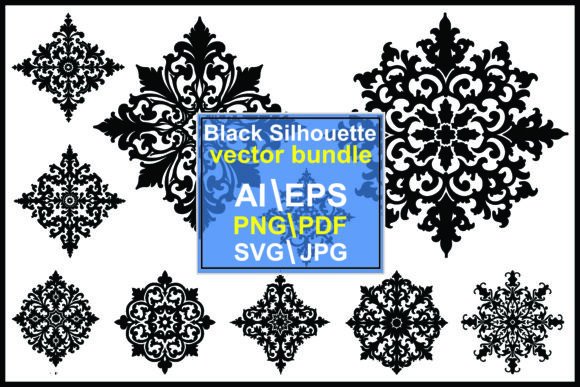
For designers, artists, and hobbyists alike, understanding how to utilize these vintage motifs can elevate any project from mundane to magnificent. Whether you are creating wedding invitations, designing luxury packaging, or adding decorative touches to web interfaces, a comprehensive collection of black ornamental filigree designs on a white background offers unparalleled versatility. This article explores the significance of these design elements, their practical applications, and how a high-quality vector bundle can streamline your creative workflow.
The Essence of Baroque and Ornamental Design
To truly appreciate the value of a filigree or damask pattern, one must first understand the principles behind them. Baroque design is characterized by movement, tension, and emotional exuberance. Unlike the rigid symmetry of earlier Renaissance art, Baroque ornaments often feature dynamic flourishes and swirling lines that guide the eye across the composition. These elements are not merely decorative; they serve to frame content, create hierarchy, and add a layer of sophistication.
Filigree, specifically, refers to delicate jewelry-like metalwork, but in graphic design, it represents any intricate, lacy openwork pattern. When rendered in high-contrast black and white, these designs become powerful visual tools. The stark contrast ensures that the intricate details remain visible even at smaller sizes, making them ideal for both print and digital media.
Key Elements in the Collection
A robust design bundle typically includes a variety of motifs that cater to different artistic needs. Understanding these components helps in selecting the right element for your specific project:
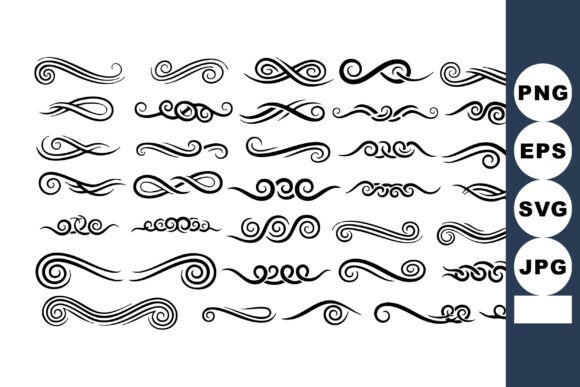
- Scrollwork and Flourishes: These are the sweeping, curved lines that define the Baroque style. They are perfect for dividing sections of text or framing titles.
- Damask Patterns: Traditionally used in textiles, damask features reversible figured fabric of silk, wool, linen, cotton, or synthetic fibers. In digital design, these symmetrical patterns add texture and depth to backgrounds.
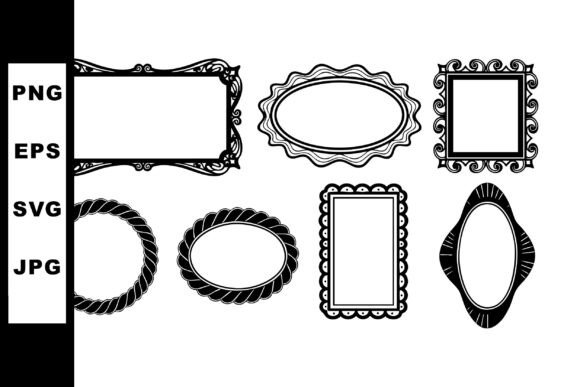
- Corners and Borders: Essential for layout design, these elements help contain content and provide a structured, classic look to documents and posters.
- Mandala and Snowflake Motifs: While not strictly Baroque, these radial and symmetrical designs share the same commitment to geometric precision and intricate detail, offering a modern twist to vintage aesthetics.
- Yin Yang and Symbolic Graphics: Incorporating symbolic elements like the Yin Yang adds philosophical depth, blending Eastern balance with Western ornate styling.
Practical Applications in Modern Creativity
One might assume that antique and classic designs are reserved for historical projects or formal events. However, the versatility of black ornamental silhouettes allows them to fit seamlessly into contemporary contexts. Here is how these elements are reshaping modern creativity:
- Branding and Identity: Luxury brands often rely on elegant typography paired with subtle embellishments to convey exclusivity. A simple logo can be transformed into a premium mark with the addition of a refined corner flourish.
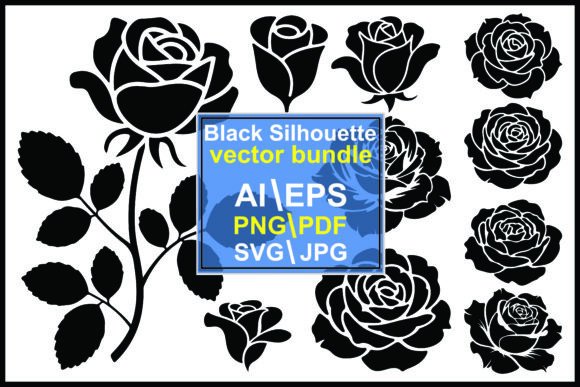
- Wedding and Event Stationery: This is perhaps the most common use case. Invitations, save-the-dates, and menu cards benefit immensely from floral and scrollwork borders that suggest romance and tradition.
- Web and UI Design: In digital spaces, heavy textures can slow down loading times. However, using lightweight SVG files of cutout designs allows developers to add decorative headers or footers without compromising performance.
- Print-on-Demand Products: From t-shirts to phone cases, stencil-style black and white graphics are popular for their bold visual impact. The high contrast works well on various fabric colors and materials.
The Technical Advantage of Vector Bundles
When sourcing design assets, the file format is just as important as the aesthetic quality. A professional-grade bundle should offer multiple formats to ensure compatibility with various software and use cases. The collection described here includes five distinct types of formats, all compressed into a single zip file for easy download and organization.
Understanding the File Formats
To make the most of your purchase, it is crucial to know which file type suits your needs:
- JPG (Joint Photographic Experts Group): Ideal for quick previews, web uploads, or projects where transparency is not required. These are raster images, meaning they can lose quality if scaled up too much.
- PNG (Portable Network Graphics): These files support transparency, making them perfect for overlaying black ornamental designs onto colored backgrounds without a white box appearing around the edges.
- AI (Adobe Illustrator): The native format for Adobe Illustrator. This is a vector file, allowing you to edit every anchor point and curve. It is essential for designers who need to customize the intricate details.
- EPS (Encapsulated PostScript): A universal vector format compatible with many design programs, including CorelDRAW and Inkscape. It ensures that your scalable graphics remain crisp at any size.
- SVG (Scalable Vector Graphics): The gold standard for web design. SVGs are code-based, meaning they load quickly and can be animated or styled with CSS. They are perfect for responsive websites.
- PDF (Portable Document Format): Useful for viewing and printing. Many PDFs in design bundles retain vector data, allowing for high-quality prints directly from the file.
How to Access Your Files
Upon purchasing the bundle, you will receive a single zip file. This compression method reduces download time and keeps all related assets organized. To access the contents, you will need to extract the files. This process is straightforward:
If you are using Windows, you can often simply double-click the zip file to view its contents, or right-click and select "Extract All" to unzip them into a folder. Mac users can double-click the file to automatically decompress it. For more advanced options or if you encounter issues, third-party software like WinZip or WinRAR provides robust tools for managing compressed archives. Once extracted, you will have immediate access to all five format types, ready for integration into your creative projects.
Why Choose a Comprehensive Bundle?
Sourcing individual design elements can be time-consuming and inconsistent in style. A curated bundle ensures that all flourishes, borders, and patterns share a cohesive visual language. This consistency is vital for maintaining a professional look across multi-page documents or comprehensive branding campaigns.
Furthermore, the ability to use these designs for any purpose—whether personal, educational, or commercial—provides immense value. There are no hidden licensing fees or restrictions, allowing creators to monetize their work freely. Whether you are a seasoned graphic designer looking to speed up your workflow or a beginner eager to experiment with vintage aesthetics, this collection offers the tools needed to bring your vision to life.
In conclusion, the fusion of Baroque elegance with modern digital flexibility creates endless possibilities. By leveraging high-quality vector assets in diverse formats, you can infuse your work with the ornate charm of the past while meeting the technical demands of the present. Explore the intricate world of filigree and let these timeless elements enhance your creative expression.