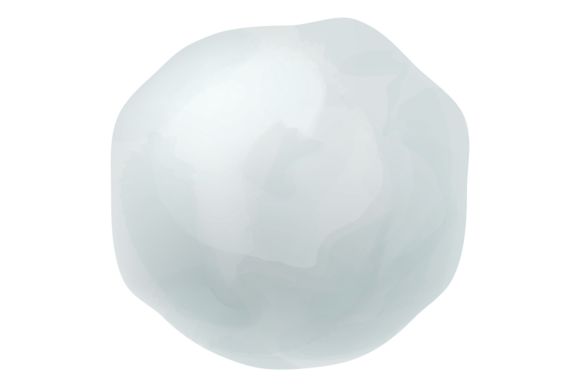
Evaluating the Snowball Isolated Watercolor Element for Winter Design Projects
Designers and content creators frequently seek high-quality, versatile assets to enhance seasonal projects. Among these resources, the Snowball Isolated Watercolor Element has emerged as a popular choice for those aiming to blend traditional artistic aesthetics with modern digital convenience. This asset typically features a round, frozen ice object rendered with watercolor textures, often presented as a white decorative blob suitable for Christmas holidays and winter-themed compositions. Understanding the specific characteristics, file formats such as EPS and JPG, and the practical applications of this element is essential for determining whether it aligns with your creative goals.
Understanding the Asset: A Blend of Texture and Format
The core appeal of the Snowball Isolated Watercolor Element lies in its hybrid nature. It combines the organic, soft edges characteristic of hand-painted watercolor art with the precision of digital vector illustration. When evaluating this asset, it is important to recognize that it is not merely a photograph of a snowball. Instead, it is a stylized representation that captures the essence of a snow sphere through artistic interpretation. The texture mimics the uneven, granular surface of packed snow, while the isolation ensures that the element can be seamlessly integrated into various backgrounds without complex masking or editing.
The availability of this element in multiple formats, specifically EPS and JPG, significantly impacts its utility. The EPS (Encapsulated PostScript) format indicates that the illustration is vector-based. This allows for infinite scalability without loss of quality, making it ideal for large-format prints such as banners, posters, or packaging. Conversely, the JPG format provides a rasterized version that is ready for immediate use in web graphics, social media posts, or digital documents where vector editing software is not available. This dual-format approach offers flexibility, catering to both professional designers who require editable layers and casual users who need plug-and-play solutions.
Why Choose a Watercolor Style for Winter Themes?
The decision to use a watercolor-style snowball rather than a photorealistic image or a flat icon often depends on the desired emotional tone of the project. Watercolor aesthetics evoke feelings of nostalgia, warmth, and handmade charm. In the context of Christmas holidays and winter games, this style can soften the coldness associated with ice and snow, creating a more inviting and festive atmosphere. For brands and individuals looking to convey a sense of tradition or artisanal quality, the Snowball Isolated Watercolor Element serves as an effective visual shorthand.
Furthermore, the "isolated" nature of the element simplifies the design process. By removing the background, the asset allows for greater compositional freedom. Designers can layer the snow sphere over textured papers, solid colors, or photographic backgrounds without worrying about conflicting lighting or perspective issues inherent in stock photography. This makes it a strong fit for greeting cards, invitation suites, and product labels where custom layouts are paramount.
Practical Applications and Ideal Use Cases
Identifying the right situations for this asset helps maximize its value. The Snowball Isolated Watercolor Element is particularly effective in the following scenarios:
- Holiday Greeting Cards: The soft textures complement typography and other decorative elements, creating a balanced and elegant design.
- Children’s Book Illustrations: The playful, rounded shape of the snowball fits well within whimsical narratives involving winter games or outdoor activities.
- Product Packaging: For seasonal items such as hot chocolate mixes, skincare products, or baked goods, the element adds a thematic touch that enhances shelf appeal.
- Digital Marketing Materials: Social media graphics and email headers benefit from the lightweight nature of JPG files, ensuring fast load times while maintaining visual interest.
In each of these cases, the element acts as a focal point or a supporting accent. Its versatility allows it to be scaled up for impact or minimized for subtle decoration. The key consideration is ensuring that the watercolor style harmonizes with the overall design language. If the rest of the project features sharp, geometric lines or hyper-realistic imagery, the soft edges of the watercolor snowball may appear disjointed unless carefully integrated.
Tradeoffs and Considerations
While the Snowball Isolated Watercolor Element offers numerous benefits, it is not a universal solution. One potential tradeoff is the level of detail. Watercolor illustrations often prioritize mood over precision. If a project requires anatomically correct snow structures or scientifically accurate ice textures, this stylized approach may fall short. Additionally, the "white decorative blob" description suggests a simplified form. Users seeking complex, multi-layered snowdrifts or intricate ice crystals might find this single-element asset too minimal.
Another consideration is color compatibility. Watercolor elements often contain subtle hues—blues, grays, or purples—to suggest shadow and depth. While these tones add realism, they may clash with strict brand color palettes that require pure white or specific hex codes. Designers working with rigid brand guidelines should verify that the tonal variations in the EPS or JPG file can be adjusted or accepted within their constraints. Vector formats like EPS allow for some color manipulation, but altering the fundamental watercolor texture can be challenging without advanced illustration skills.
When to Consider Alternatives
There are situations where alternative assets may better serve your needs. If the primary goal is high-impact realism for a scientific publication or a technical manual, a high-resolution photograph of a real snowball would be more appropriate. Similarly, if the design requires a minimalist, flat-design aesthetic common in modern app interfaces, a simple vector icon without watercolor textures might offer better clarity and consistency.
Additionally, if the project involves extensive animation, a static JPG or EPS file may require additional work to convert into motion-friendly formats. In such cases, starting with a 3D model or a sequence of illustrated frames might be more efficient. Evaluating the end-use scenario is crucial. For static print and web design, the Snowball Isolated Watercolor Element excels. For dynamic or highly technical applications, other formats may provide a stronger foundation.
Making an Informed Decision
Selecting the right design asset involves balancing aesthetic preferences with technical requirements. The Snowball Isolated Watercolor Element represents a compelling option for creators seeking to infuse their winter-themed projects with artistic warmth and flexibility. Its availability in both EPS and JPG formats ensures that it can accommodate a wide range of workflows, from professional vector editing to quick digital composition.
To determine if this element aligns with your goals, consider the following questions: Does your project benefit from a handmade, nostalgic aesthetic? Do you need an asset that can scale without losing quality? Is the soft, textured look compatible with your existing design elements? If the answer to these questions is yes, this watercolor snowball is likely a strong addition to your resource library. However, if your priorities lean toward photorealism, strict minimalism, or complex animation, exploring alternative assets may yield better results. By carefully weighing these factors, you can ensure that your choice enhances the overall quality and coherence of your creative work.