Evaluating the Heart Shape Border Vector for Romantic and Decorative Design Projects
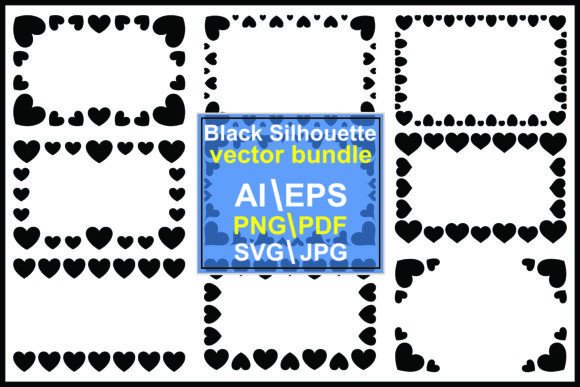
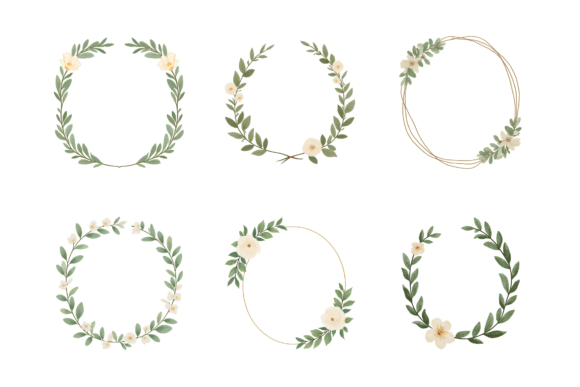
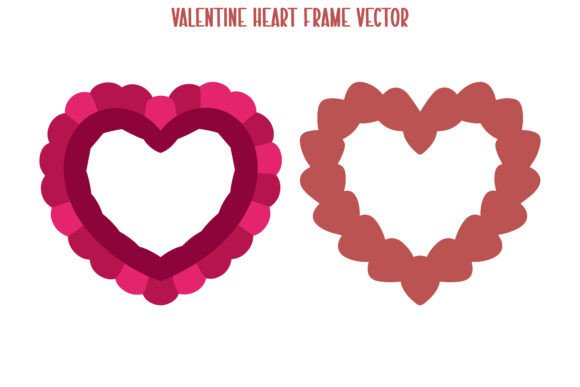
When curating visual assets for projects centered around affection, celebration, or romance, designers often face a choice between creating custom illustrations from scratch or utilizing pre-made scalable resources. The Heart Shape Border Vector represents a specific category of digital asset that bridges the gap between generic clip art and bespoke illustration. This resource typically features a charming, floral heart-shaped frame composed of delicate flowers and leaf elements. Understanding the distinct advantages of this format, particularly when compared to raster images or hand-drawn alternatives, is essential for adults managing design workflows for weddings, greeting cards, or print-on-demand ventures.
Defining the Asset: Structure and Scalability
At its core, a Heart Shape Border Vector is not merely an image; it is a mathematical definition of lines and curves. Unlike pixel-based formats such as standard JPEGs or PNGs, which can become blurry or pixelated when enlarged, vector graphics maintain crisp edges at any size. The specific iteration described here combines the universal symbol of love—the heart—with organic botanical motifs. This fusion creates a versatile frame that feels both structured and natural.
The inclusion of floral and leaf elements adds a layer of sophistication that plain geometric hearts often lack. This makes the asset particularly suitable for contexts requiring a softer, more elegant touch, such as wedding invitations or high-end greeting cards. The "clean" nature of the design ensures that it does not overwhelm the central content, whether that be a love quote, a photograph, or event details. Furthermore, the scalability of the vector format means the same file can be used for a small social media sticker or a large-format poster without any loss in resolution quality.
Vector Formats vs. Raster Alternatives
One of the most critical decision factors for designers is choosing between vector (EPS, SVG, AI) and raster (JPG, PNG) formats. While a high-resolution JPG included in a package offers immediate usability for quick uploads to social media, it has inherent limitations. A raster image is fixed at a specific DPI (dots per inch). If you attempt to print a 72 DPI web image on a physical product like a t-shirt or a large banner, the result will likely be fuzzy or blocky.
In contrast, the Heart Shape Border Vector provided in EPS format offers infinite scalability. This is crucial for print-on-demand projects where the final output size may vary significantly depending on the product selected by the customer. The ability to edit the file in software like Adobe Illustrator allows for precise adjustments that are impossible with a flattened JPG. For instance, if a client requests a specific shade of blush pink to match their wedding theme, a vector file allows you to isolate and recolor individual petals or leaves instantly. A raster image would require complex selection tools and often results in a loss of edge quality during color manipulation.
Comparing Pre-Made Vectors to Custom Illustration
Another common alternative to using a pre-made border is commissioning a custom illustration or drawing one manually. While custom work offers total uniqueness, it comes with significant tradeoffs regarding time and cost. Creating a balanced, symmetrical floral heart frame from scratch requires a high level of artistic skill and several hours of labor. For professionals managing tight deadlines or multiple client projects, the efficiency of a premium quality design package cannot be overstated.
Pre-made vectors serve as a robust foundation. They allow the designer to focus on layout, typography, and overall composition rather than spending excessive time on decorative elements. However, users must evaluate whether the pre-made style fits their specific brand identity. The "charming" and "delicate" aesthetic of this particular heart shape border is ideal for romantic and traditional themes but might require modification to fit a modern, minimalist, or bold industrial style. The value lies in the editability; a good vector package provides the raw materials to adapt the design, whereas a custom illustration is often a finished product with less flexibility for future changes.
Practical Applications and Use Cases
The versatility of the Heart Shape Border Vector extends across various industries and personal projects. Its application is largely defined by the need for a framing element that conveys emotion without dominating the visual hierarchy.
- Wedding Stationery: The floral elements make this border a natural fit for save-the-dates, menu cards, and invitation suites. The vector format ensures that text placed within the heart remains legible and sharp when printed on textured cardstock.
- Greeting Cards and Scrapbooking: For physical crafts, the ability to scale the design to fit different card sizes is invaluable. The 300 DPI resolution mentioned in standard premium packages ensures that even if the user prints the accompanying JPG, the quality remains sufficient for home or professional printing.
- Social Media and Digital Marketing: In a digital context, these borders can frame testimonials, holiday promotions, or inspirational quotes. The clean lines ensure the graphic looks professional on high-resolution smartphone screens.
- Print-on-Demand (POD): Entrepreneurs selling merchandise such as mugs, tote bags, or apparel benefit most from the EPS file. POD platforms often have strict file requirements, and a scalable vector ensures the design looks professional regardless of the product dimensions.
Evaluating File Specifications and Editability
When assessing a design package, the technical specifications are just as important as the visual style. A comprehensive package typically includes an EPS file for editing, a JPG for preview or quick use, and sometimes additional formats. The presence of an EPS file is the primary indicator of professional utility. This format is widely compatible with industry-standard software like Adobe Illustrator, CorelDRAW, and Inkscape.
The claim of "100 editable color-changeable" paths suggests a high level of organization within the file. In lower-quality vector assets, elements are often grouped indiscriminately or expanded into complex compound paths, making recoloring tedious. A well-structured file allows users to modify the color of the flowers, leaves, and the heart outline independently. This level of control is essential for branding consistency. For example, a business might need the border to match their corporate colors while retaining the heart motif for a Valentine's campaign.
However, users should be aware of the learning curve associated with vector editing. While the file is "modifiable as you like," realizing that potential requires familiarity with bezier curves, anchor points, and layer management. For those without access to vector editing software, the included high-resolution JPG serves as a functional alternative, though it sacrifices the ability to resize infinitely or change colors easily.
Limitations and Decision Factors
Despite its strengths, the Heart Shape Border Vector is not a universal solution for every design challenge. Its thematic specificity limits its use to occasions related to love, care, or celebration. It would be incongruous in corporate reports, technical manuals, or somber contexts. Additionally, while the floral style is popular, it may feel too ornate for designs aiming for stark minimalism.
Buyers must also consider the color mode. Most print projects require CMYK color mode, while digital screens use RGB. If the provided file is strictly in RGB, users intending to print professionally may need to convert the colors, which can sometimes result in slight shifts in hue, particularly with vibrant florals. It is advisable to check the color profile of the EPS file before committing to a large print run.
Furthermore, the popularity of such assets means they may be used by others. While the design is premium quality, it is not exclusive unless specified otherwise. For brands requiring a completely unique trademarked look, modifying the vector significantly or using it as a base for further illustration is recommended to ensure distinctiveness.
Making the Right Choice for Your Project
Deciding whether to utilize this specific heart shape border depends on a balance of budget, timeline, and aesthetic goals. If the priority is speed and cost-effectiveness without sacrificing professional quality, a pre-made vector package is superior to custom illustration. If the project demands infinite scalability and precise color control, the EPS format is mandatory over raster options.
Ultimately, the Heart Shape Border Vector serves as a powerful tool in a designer's arsenal. It offers a blend of romantic aesthetics and technical flexibility. By understanding the differences between file formats and recognizing the specific strengths of floral-framed compositions, creators can make informed decisions that elevate their Valentine's Day designs, wedding materials, and decorative artwork. Whether used as a finished element or a starting point for further customization, this resource provides a reliable foundation for expressing themes of love and connection.